
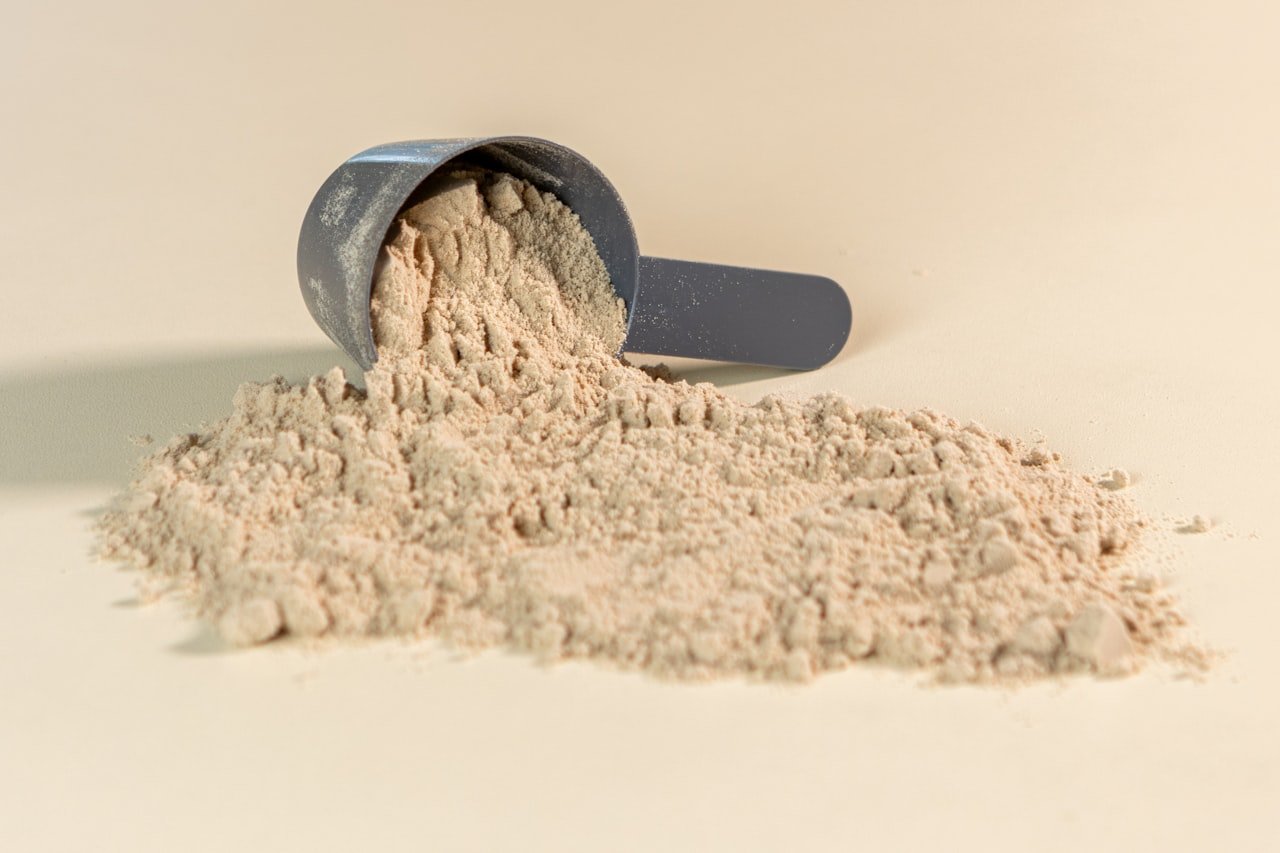
Creatine has spent decades as a gym-locker staple, associated with strength training and little else. That reputation undersells what the research now shows. Beyond muscle, creatine plays a role in how the brain generates and stores energy, and a growing body of research is examining what that might mean for cognitive aging.
The evidence is genuinely promising. It is not yet a settled case.
How creatine shows up in the brain
Creatine is part of the phosphocreatine energy system, the same rapid-energy pathway it supports in muscle. The brain is metabolically demanding, and several studies in older adults have found associations between creatine supplementation and improvements in memory, attention, and processing speed, particularly in people who started with lower baseline creatine levels.
Why “promising” is the honest word
Much of this research is still early. Study sizes are often small, protocols vary, and researchers in the field have called for larger, longer clinical trials before drawing firm conclusions. The most consistent finding is that pairing creatine with resistance training produces better outcomes than either alone, likely because exercise supports the same brain-energy and neuroplasticity pathways.
This is a case for cautious interest, not a reason to expect a dramatic cognitive shift from a supplement alone.
What is well established
Creatine is one of the most studied supplements available, with a long safety record in healthy adults at typical doses. The muscle-building case for creatine, unlike the cognitive one, is well established across decades of research. If you already take it for strength or training, the potential cognitive angle is a reasonable bonus to be aware of, not a new reason to start without considering your own health context.
A Sanctuary practice
If you are curious about creatine, treat it like any supplement decision: check it against your own health history, current medications, and kidney function with a healthcare provider first. Evidence-led does not mean solo decision-making.
Sources: Frontiers in Nutrition, The effects of creatine supplementation on cognitive function in adults, a systematic review and meta-analysis: https://www.frontiersin.org/journals/nutrition/articles/10.3389/fnut.2024.1424972/full. Nutrition Reviews, Creatine and Cognition in Aging, A Systematic Review of Evidence in Older Adults: https://academic.oup.com/nutritionreviews/article/84/2/333/8253584.
This article is for general education and is not medical advice.